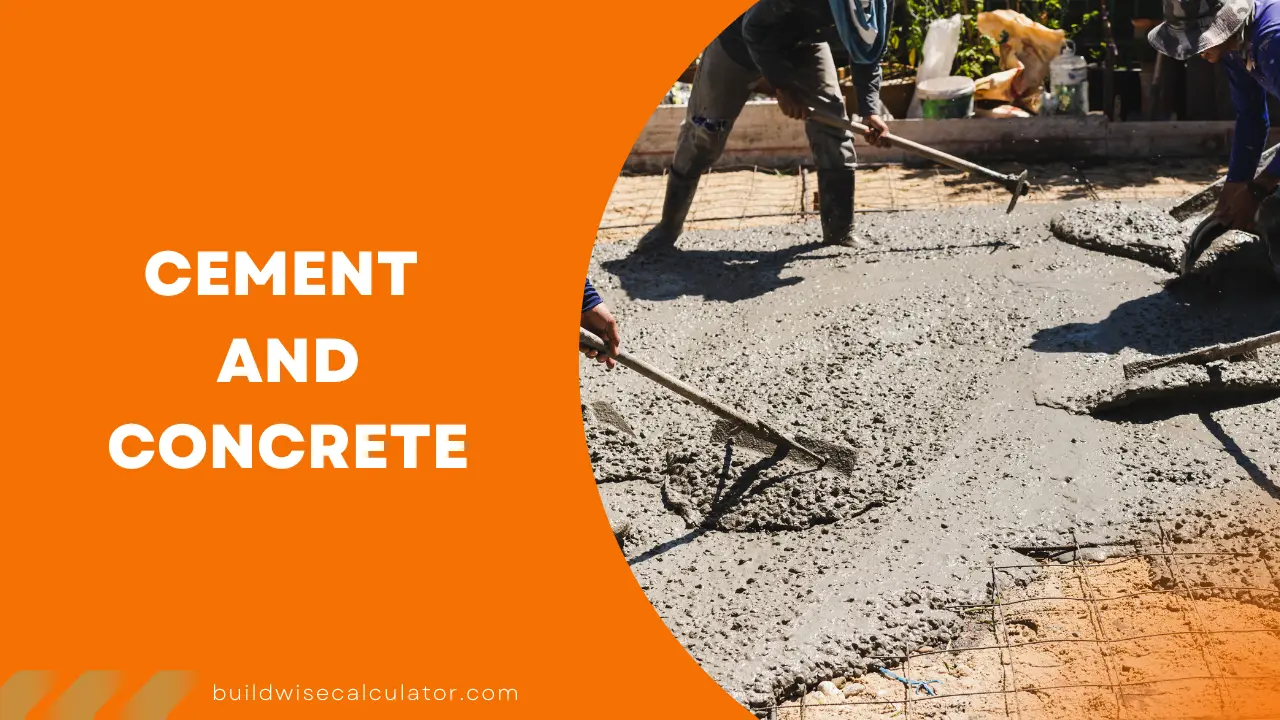
If you’ve ever worked on a construction project or even done a bit of home DIY, chances are you’ve heard people use the terms cement and concrete like they mean the same thing. But while they’re closely related, they’re definitely not the same.
Understanding the difference between cement and concrete is important—not just for getting your terminology right, but for knowing how and when to use each material.
Let’s break it down in a clear, simple way so you never mix them up again.
What is Cement?
Cement is actually just one ingredient in concrete. It’s a fine powder made mainly from limestone, clay, shells, and silica sand. These materials are heated in a kiln at very high temperatures and then ground into a fine, gray powder. This powder is called Portland cement, which is the most common type used in construction.
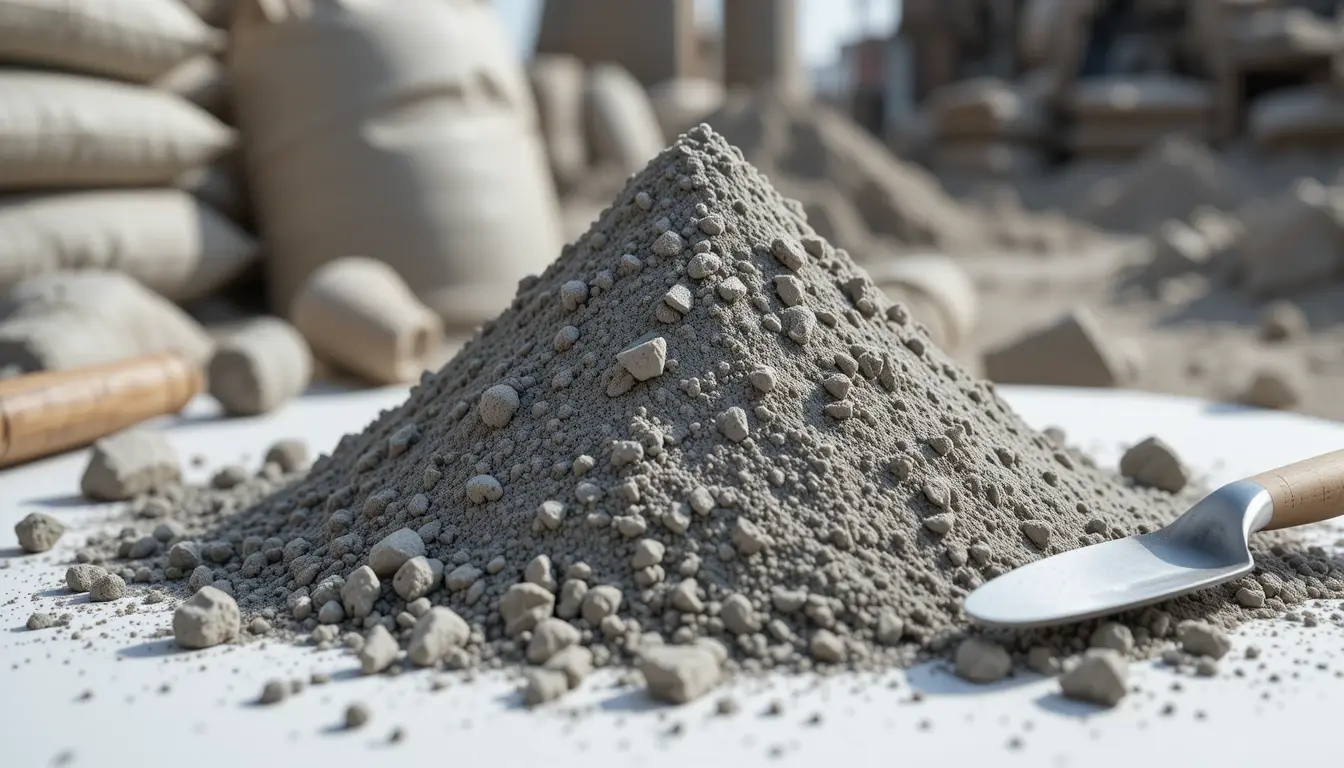
When you mix cement with water, it forms a paste that hardens over time. But on its own, cement isn’t very strong—it’s prone to cracking and shrinking. That’s why it’s rarely used alone in construction. It’s best known as the binding agent in concrete.
Common Uses of Cement:
- Making mortar (when mixed with sand and water)
- Making concrete (when combined with aggregates)
- Small patching or repair jobs
- Setting posts in the ground
What is Concrete?
Concrete is a complete building material made up of several components:
- Cement (the binder)
- Water
- Aggregates like sand, gravel, or crushed stone
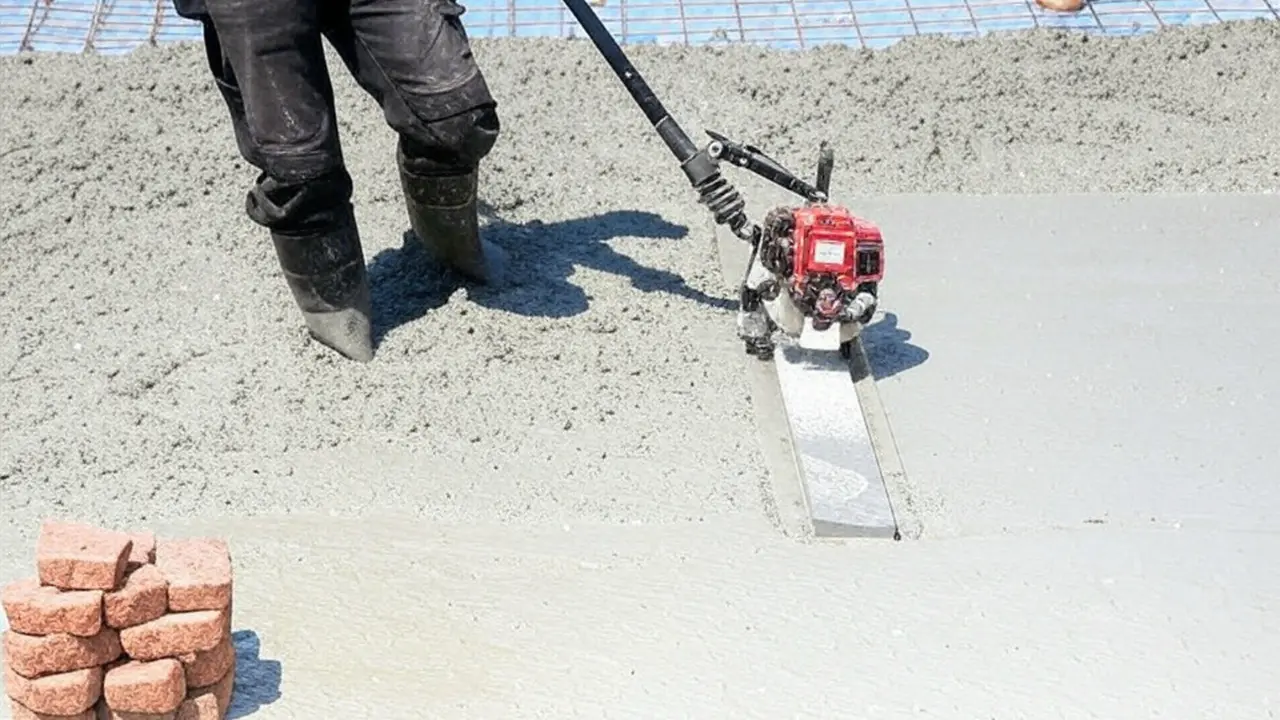
When these ingredients are mixed together, the cement reacts with the water in a chemical process called hydration. This causes the mixture to harden and gain strength over time. Concrete can be poured into molds, shaped, and formed to create everything from sidewalks and driveways to buildings and bridges.
Concrete is strong, durable, and weather-resistant, making it a go-to material for long-term structural projects.
Common Uses of Concrete:
- Foundations and footings
- Driveways, sidewalks, and patios
- Walls and floors
- Bridges, dams, and highways
The Main Differences Between Cement and Concrete
To put it simply: cement is a part of concrete, not the other way around. Here’s a quick breakdown of how they differ:
| Feature | Cement | Concrete |
|---|---|---|
| Definition | A fine powder used as a binder | A mixture of cement, water, and aggregates |
| Usage | Mainly a component in mixtures | A finished building material |
| Strength | Weak on its own | Very strong and durable |
| Appearance | Gray, fine powder | Coarse mixture with visible gravel/sand |
| Applications | Mortar, grout, binding | Foundations, roads, structures |
| Longevity | Can crack/shrink easily | Long-lasting when mixed and cured properly |
Why People Confuse the Two
The confusion often comes from how both materials are used in the same projects. When someone says they’re laying a “cement patio,” they usually mean a concrete patio. That’s because cement is what holds the mixture together, so it gets all the credit—even though the finished product is concrete.
Think of it like baking a cake. Cement is like the flour in the recipe. It’s essential, but it’s only one part of the final product. You wouldn’t call the cake “flour”—you call it a cake. Similarly, you shouldn’t call concrete “cement.”
Final Thoughts: Know the Difference, Build Smarter
Whether you’re pouring a new walkway or just curious about building materials, knowing the difference between cement and concrete will help you understand your project better. Cement is the glue that holds concrete together, but concrete is the real heavy-lifter that gets the job done.
So next time you head to the hardware store or talk to a contractor, you’ll know exactly what to ask for—and why it matters.