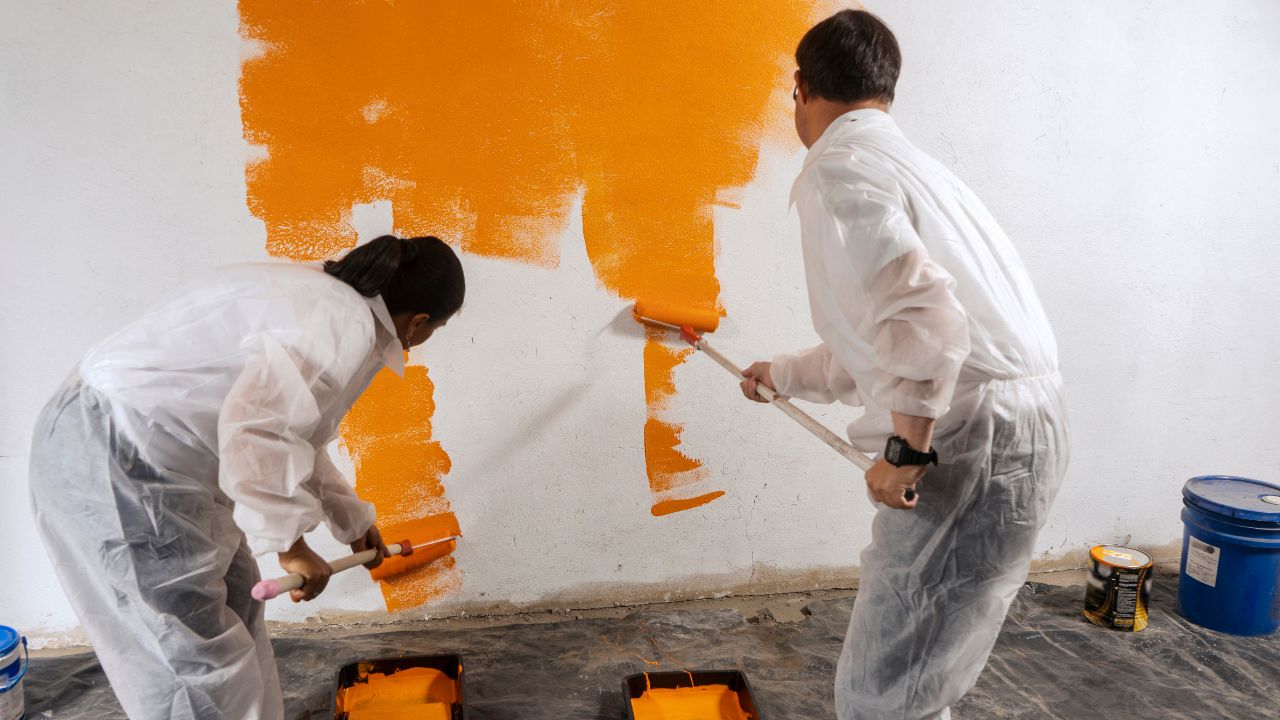
If you've been putting off a fresh coat of paint because you're not sure what it'll cost — this guide is for you. Interior painting is one of the most effective ways to refresh a home without spending a fortune on a full renovation. But prices have moved in 2026, and what you pay depends on a lot more than just how many rooms you want done.
Here's a straight-talking breakdown of what it actually costs to paint the interior of a house right now, what drives prices higher, and where you can realistically save money without the job looking cheap.
The Short Answer: What Does Interior Painting Cost in 2026?
Most homeowners are looking at somewhere between $2 and $6 per square foot for a professional interior paint job — and that range hasn't changed much from 2025, but labour rates in major metro areas have crept up 5–8% this year.
For a complete interior repaint, the typical range by home size looks like this:
| Home Size | Estimated Cost Range | Average |
|---|---|---|
| 1,000 sq ft | $2,000 – $6,000 | $4,000 |
| 1,500 sq ft | $3,000 – $9,000 | $6,000 |
| 2,000 sq ft | $4,000 – $12,000 | $8,000 |
| 2,500 sq ft | $5,000 – $15,000 | $10,000 |
| 3,000 sq ft | $6,000 – $18,000 | $12,000 |
Prices cover walls, ceilings, and trim with professional labour and standard-grade paint.
The national average for a complete interior repaint sits around $3,842 based on CertaPro's 2025 data — though that number rises quickly once you factor in high ceilings, heavy prep work, or premium paint brands.
Here is our free Interior Wall Paint Calculator, you can use it for paint calculation for wall.
Room-by-Room Cost Breakdown
Most painters price by room rather than a single whole-home figure, and the difference between rooms is significant. Here's what to expect for each space in 2026:
| Room | Typical Size | Professional Cost Range |
|---|---|---|
| Small bathroom | 5×8 ft | $150 – $400 |
| Full bathroom | Standard | $350 – $500 |
| Bedroom (standard) | 12×12 ft | $350 – $850 |
| Master bedroom | 14×18 ft+ | $600 – $1,400 |
| Kitchen | Average | $500 – $1,100 |
| Dining room | Average | $600 – $1,200 |
| Living room | 15×20 ft | $600 – $2,000 |
| Large living / great room | Open plan | $1,000 – $1,800 |
| Hallway / stairwell | Average | $300 – $700 |
A few things worth noting here. Kitchens typically cost more per square foot than bedrooms because of the detail work involved — cutting around cabinets, appliances, and tiled areas takes considerably longer. Bathrooms are small but have tight corners and a lot of trim, which slows things down. Living rooms are expensive simply because of their size, and any room with a ceiling higher than 8 feet will likely carry a height surcharge.
Most painters also carry a minimum project charge of $250 to $500, which means painting a single small bathroom might cost nearly the same as painting two. If you're only doing one or two rooms, bundle them with any other spaces you're considering — it almost always brings the per-room cost down.
What Drives the Cost Up?
Getting a quote that comes back higher than expected is frustrating — especially if you don't understand what's pushing it. Here are the main factors that add to interior painting costs:
Wall Condition and Prep Work
This is the biggest hidden cost driver and the one most homeowners don't factor into their initial estimates. A wall that's clean and smooth paints fast. A wall with cracks to fill, wallpaper to strip, water stains, smoke damage, or years of scuffs can add hours — or even a full extra day — to the job.
Drywall repairs alone average around $600 for a typical repaint project. If your walls need significant prep, expect to pay more than the baseline rate.
Ceiling Height
Standard 8-foot ceilings are priced into the base rate. Anything taller — vaulted ceilings, cathedral ceilings, stairwells, open-plan great rooms — requires extension equipment and significantly more time. Many painters add a 10–20% surcharge for rooms with ceilings above 9 feet.
Paint Quality
This matters more than most people realise. The difference in price between a basic latex paint and a premium brand like Benjamin Moore Aura (which now runs around $85–$95 per gallon in 2026) is significant. But premium paint typically covers better, requires fewer coats, and lasts longer — making it genuinely worth the extra spend on high-traffic areas.
Here's a rough guide to paint costs per gallon:
| Paint Type | Cost Per Gallon |
|---|---|
| Basic latex (flat) | $15 – $30 |
| Standard interior latex (satin/eggshell) | $25 – $45 |
| Premium interior (Benjamin Moore, Sherwin-Williams) | $65 – $95 |
| Moisture-resistant (bathrooms/kitchens) | $35 – $55 |
| Zero-VOC / eco-friendly | $35 – $60 |
One gallon of paint covers around 350 square feet of wall space. For most average-sized rooms, you're looking at 1 to 2 gallons per coat.
Number of Coats
Two coats is the professional standard for a complete repaint. Going from a dark colour to a light one — or painting over a damaged wall — may require three coats, which adds both time and material cost. A single-coat job almost always shows inconsistency in the finish, and any reputable painter will tell you that upfront.
Trim, Doors, and Ceilings
Most base quotes cover walls only. Adding trim, baseboards, doors, and ceilings significantly increases the scope — and the price. If you want the full treatment, make sure your quote explicitly covers each element.
Location
Where you live affects labour rates significantly. Painters in the Northeast and major metro areas charge considerably more than those in the Midwest or Southeast. A job that costs $4,000 in a mid-sized Midwest city could run $6,000 or more in New York or San Francisco.
Labour Costs: What Do Painters Charge Per Hour?
Professional painters in 2026 typically charge between $25 and $75 per hour, depending on location and experience. In major metro areas, skilled painters are averaging $32–$48 per hour, with workers' compensation and insurance factored into the rate.
Most painters price projects as a flat fee rather than hourly, which is generally better for homeowners — you know exactly what you're paying before the job starts.
DIY vs. Hiring a Professional: Is It Worth Doing Yourself?
This is the question almost every homeowner asks, and the honest answer is: it depends on the scope.
For a single bedroom or bathroom with normal walls and standard 8-foot ceilings, DIY is absolutely a reasonable choice. You're looking at $100 to $300 in materials per room versus $300 to $900 for a professional — the difference is almost entirely labour.
For a whole-house repaint, it's a different calculation. A 2,000 sq ft home costs around $550 to $900 in DIY materials versus $4,000 to $12,000 professionally. The savings are real. But so is the time investment — most DIYers need 3 to 6 weekends to complete what a professional crew handles in 3 to 5 days. Factor in your time honestly before committing to the DIY route.
A middle-ground option works well for many homeowners: do the prep work and cleanup yourself, and hire professionals for the actual painting. This hybrid approach typically saves 20 to 30 percent with minimal quality risk.
Where professional painters genuinely earn their cost:
- Whole-house repaints where speed matters
- Any ceiling higher than 9 feet
- Stairwells and awkward spaces
- Heavy wall prep and repairs
- High-gloss finishes, which show every imperfection
- Any job where you need a guaranteed result
Where DIY makes sense:
- Single rooms with standard dimensions
- Simple colour changes with good existing wall condition
- When you genuinely have the time and patience to do it properly
How to Save Money Without Sacrificing Quality
A few smart moves can meaningfully reduce what you pay without cutting corners on the result:
Get at least three quotes. Painting is a competitive market and prices vary significantly between contractors. Getting multiple quotes takes a few phone calls and can save hundreds of dollars.
Bundle rooms. Most painters charge a minimum per visit. If you're considering two or three rooms, doing them together reduces the per-room cost compared to scheduling separate jobs.
Do the prep yourself. Filling small holes, sanding, and cleaning walls before the painter arrives reduces their time on-site and may reduce your quote. Ask the painter what prep work they'll charge for and what you can handle yourself.
Buy in spring or early autumn. Painters are busiest in summer. Scheduling in the shoulder season sometimes gets you a better rate — demand is lower and crews have more flexibility.
Don't cheap out on paint itself. It sounds counterintuitive, but using cheap paint often costs more in the long run. More coats needed, shorter lifespan, and a finish that looks tired within a year. Premium paint on fewer coats beats budget paint on many coats, especially in high-traffic rooms.
Signs Your Interior Needs Painting
Not sure if the timing is right? Here are the clearest signals that it's time to repaint:
- Walls look visibly faded or washed out in natural light
- Paint is peeling, bubbling, or flaking in any area
- You're seeing stains that cleaning can't fix
- The colour feels dated or simply isn't working anymore
- You're preparing to sell — fresh paint is one of the most commonly recommended pre-sale improvements, with some realtors reporting a return on investment above 100%
- It's been more than 7 years since the last repaint
Quick Tips for Getting an Accurate Quote
Before you call a painter, have this information ready — it makes the quoting process faster and more accurate:
- Know your square footage — floor area, not total wall area
- List every room you want painted and note ceiling heights
- Flag any problem areas — stains, cracks, water damage, existing wallpaper
- Decide what's included — walls only, or walls plus ceilings, trim, and doors
- Have a colour in mind — dramatic colour changes cost more because they need extra coats
Ask the painter to give you an itemised quote by room, not a single lump sum. This makes it much easier to compare quotes from different contractors and understand exactly what you're paying for.
Frequently Asked Questions
How long does it take to paint the interior of a house?
A professional crew of two or three painters typically completes a 2,000 sq ft home interior in 3 to 5 working days. A solo DIYer working on weekends should expect 3 to 6 weekends for the same scope.
How often should interior walls be repainted?
Most interior walls need repainting every 5 to 7 years in normal conditions. High-traffic areas like hallways, kitchens, and children's rooms may need attention every 3 to 5 years.
Is it cheaper to paint an empty house?
Yes — significantly. An empty house lets painters spray rather than cut in around furniture, eliminates the time spent moving and protecting belongings, and removes scheduling constraints. If you're renovating before moving in, painting before the furniture arrives will save you money.
Should I supply the paint or let the painter buy it?
Most professional painters prefer to supply their own paint — they get trade discounts and are familiar with the brands they work with. If you have a specific paint in mind, discuss it during the quoting stage.
What finish should I use in each room?
As a general guide: matte or flat for low-traffic bedrooms and ceilings; eggshell or satin for living rooms, dining rooms, and hallways; semi-gloss for kitchens, bathrooms, and trim. The shinier the finish, the more durable and cleanable — but also the more it shows imperfections in the wall.
The Bottom Line
Interior painting in 2026 costs between $2,500 and $9,500 for most complete home repaints, with the national average project landing somewhere around $3,800 to $4,000. The biggest cost variables are home size, wall condition, ceiling height, and the quality of paint you choose — and labour accounts for the bulk of what you pay.
If you're getting quotes, make sure they're itemised by room, confirm what prep work is included, and don't automatically go with the cheapest number. A quote that's significantly lower than the others usually means something — a single coat, skipped prep, or an unexpected change order partway through the job.
Done properly, a fresh interior paint job is one of the best-value home improvements you can make. It transforms how a space looks and feels, protects your walls, and adds real value — especially if you're considering selling.