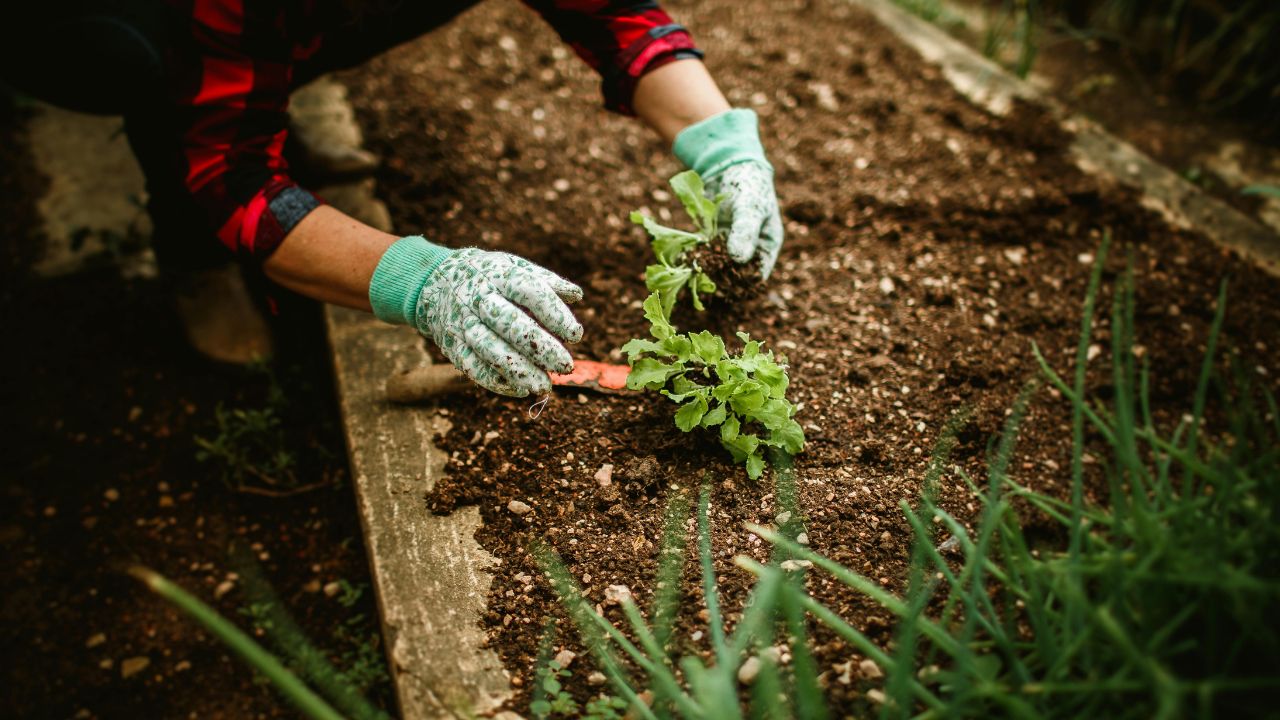
Square foot gardening is an easy and efficient way to grow vegetables in a small space. Instead of planting crops in long rows, the garden bed is divided into 1-foot × 1-foot squares, and each square is planted with a specific number of vegetables based on their recommended spacing.
A Square Foot Gardening Chart helps you determine exactly how many plants can be grown in each square foot, making it easier to plan your garden and avoid overcrowding.
What Is a Square Foot Gardening Chart?
A square foot gardening chart is a planting guide that shows how many plants or seeds fit into one square foot of garden space.
For example:
| Vegetable | Plants per Square Foot |
|---|---|
| Tomato | 1 |
| Pepper | 1 |
| Broccoli | 1 |
| Cabbage | 1 |
| Lettuce | 4 |
| Swiss Chard | 4 |
| Bush Beans | 9 |
| Beets | 9 |
| Spinach | 9 |
| Peas | 8 |
| Carrots | 16 |
| Radishes | 16 |
| Green Onions | 25–36 |
The number of plants depends on the mature size of each crop. Larger vegetables require more space, while smaller vegetables and herbs can be planted closer together.
How Does Square Foot Gardening Work?
The method is simple:
-
Build or use a raised garden bed.
-
Divide the bed into 12-inch × 12-inch squares.
-
Choose the vegetables you want to grow.
-
Use a square foot gardening chart to determine how many plants belong in each square.
-
Plant and maintain your garden as usual.
This method makes garden planning much easier and helps maximize the use of available space.
Example
Suppose you have a 4 ft × 4 ft raised garden bed.
Since each square measures 1 square foot, the bed contains:
-
16 planting squares
You could plant:
-
4 Tomato plants (4 squares)
-
16 Lettuce plants (4 squares × 4 plants)
-
32 Carrots (2 squares × 16 plants)
-
18 Spinach plants (2 squares × 9 plants)
-
18 Bush Beans (2 squares × 9 plants)
-
32 Radishes (2 squares × 16 plants)
This layout allows you to grow several vegetables in a relatively small garden.
Benefits of Using a Square Foot Gardening Chart
Using a planting chart offers several advantages:
-
Makes garden planning simple.
-
Prevents overcrowding.
-
Maximizes harvest in small spaces.
-
Reduces weeds.
-
Improves air circulation around plants.
-
Makes watering and maintenance easier.
-
Ideal for raised beds and urban gardens.
Tips for Success
-
Use high-quality garden soil or compost.
-
Rotate crops each season.
-
Water consistently, especially during hot weather.
-
Plant compatible vegetables together.
-
Harvest regularly to encourage continued production.
Conclusion
A square foot gardening chart is an excellent planning tool for both beginners and experienced gardeners. It shows exactly how many plants fit into each square foot, helping you grow more vegetables while using less space. Whether you have a small raised bed or a backyard vegetable garden, following a square foot gardening chart can improve organization, reduce waste, and increase your harvest.