A Reverse Slope Calculator helps you calculate the slope of a surface using its vertical rise and horizontal run. Enter the rise and run to find the reverse slope, slope percentage, and slope angle.
This calculator is useful for ramps, driveways, drainage, roads, roofs, landscaping, grading, and construction projects.
What Is Reverse Slope?
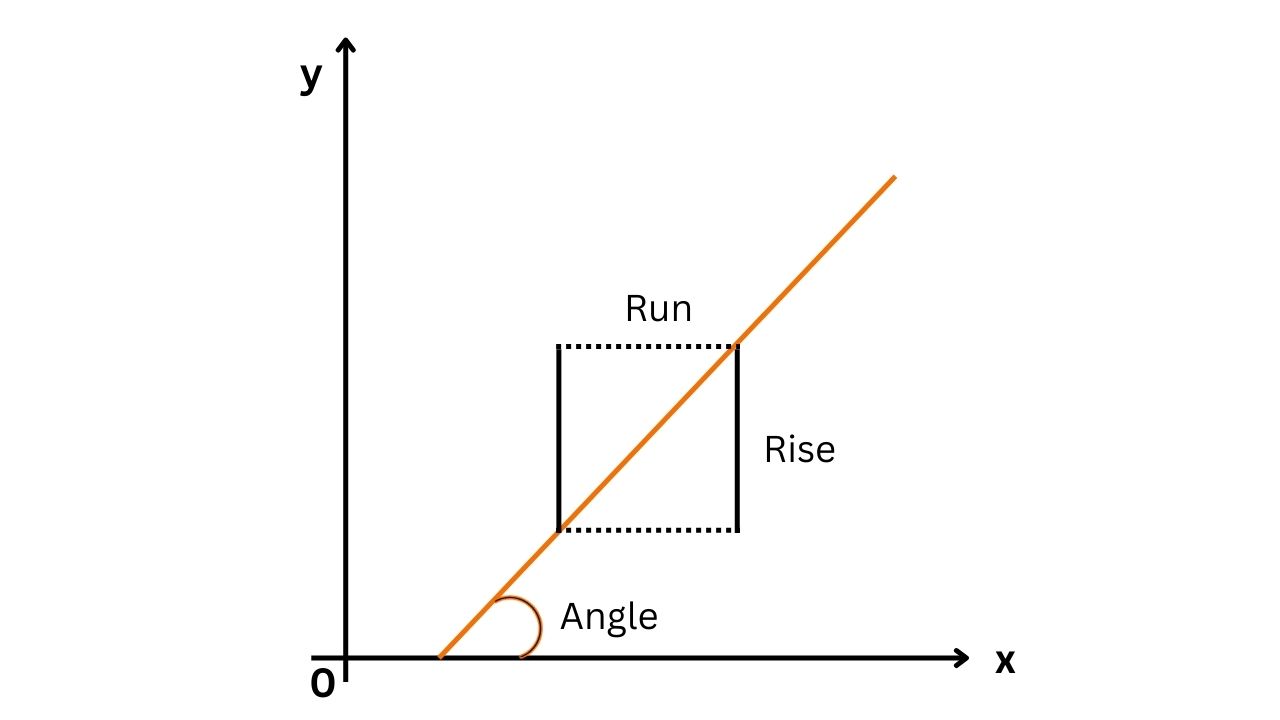
A standard slope compares vertical rise with horizontal run. Reverse slope shows the horizontal run required for each unit of vertical rise.
For example, a reverse slope of 4 means that the surface moves 4 horizontal units for every 1 vertical unit.
Reverse Slope (RSL)=RiseRun
How the Reverse Slope Calculator Works
Enter the following measurements:
- Rise: The vertical distance between two points
- Run: The horizontal distance between the same two points
Use the same unit for both values, such as feet, metres, inches, or centimetres.
The calculator returns:
- Reverse Slope
- Slope Percentage
- Slope Angle in degrees
Standard Slope Formula
The standard slope is calculated by dividing the vertical rise by the horizontal run.
Slope=RunRise
Reverse Slope Formula
Reverse slope is the reciprocal of the standard slope.
Reverse Slope (RSL)=RiseRun
Slope Percentage Formula
To convert the slope into a percentage, multiply the rise-to-run ratio by 100.
Slope Percentage=RunRise×100
Slope Angle Formula
The slope angle is calculated by finding the inverse tangent of the rise-to-run ratio.
Slope Angle=tan−1(RunRise)×π180
Example Calculation
Suppose a surface rises 3 feet over a horizontal run of 12 feet.
- Rise: 3 feet
- Run: 12 feet
Calculate Standard Slope
Slope=123=0.25
Calculate Reverse Slope
Reverse Slope (RSL)=312=4
The reverse slope is 4, meaning the surface has 4 units of horizontal run for every 1 unit of vertical rise.
Calculate Slope Percentage
Slope Percentage=123×100=25%
Calculate Slope Angle
Slope Angle=tan−1(123)×π180=14.04∘
The slope angle is approximately 14.04 degrees.
Important Tips
- Use the same measurement unit for rise and run.
- A larger rise with the same run creates a steeper slope.
- A larger run with the same rise creates a gentler slope.
- Reverse slope cannot be calculated when the rise is zero.
- Confirm local requirements for ramps, drainage, roof slopes, and construction projects.
Frequently Asked Questions
What is the difference between slope and reverse slope?
Standard slope is rise divided by run. Reverse slope is run divided by rise.
Slope=RunRise
Reverse Slope=RiseRun
What does a reverse slope of 4 mean?
A reverse slope of 4 means there are 4 horizontal units of run for every 1 vertical unit of rise.
How do I calculate slope percentage?
Divide the rise by the run, then multiply by 100.
Slope Percentage=RunRise×100
Can I use feet, metres, inches, or centimetres?
Yes. Use any unit, but enter the rise and run using the same unit.
What is a 100% slope?
A 100% slope means the rise equals the run. This is equivalent to a 45-degree angle.
Can I use this calculator for a ramp?
Yes. Enter the vertical rise and horizontal run to calculate the slope percentage and angle. Check local building requirements before designing or building an accessible ramp.
Can I use this calculator for drainage?
Yes. It can help estimate the slope of drainage areas, pipes, channels, and landscaping surfaces. Use project-specific requirements to determine the appropriate slope.
Check out 25 Similar Calculators: